Tactical Evolution: How Modern Football Has Changed
Football is a game constantly in flux, with tactical innovations reshaping how teams approach matches at every level. Over the past decade, we've witnessed perhaps the most rapid evolution in tactical thinking in the sport's history. The confluence of advanced data analytics, increased physical capabilities, and innovative coaching minds has transformed how the beautiful game is played. This article examines the key tactical shifts that have defined modern football and explores how they continue to evolve.
From Tiki-Taka to Positional Play
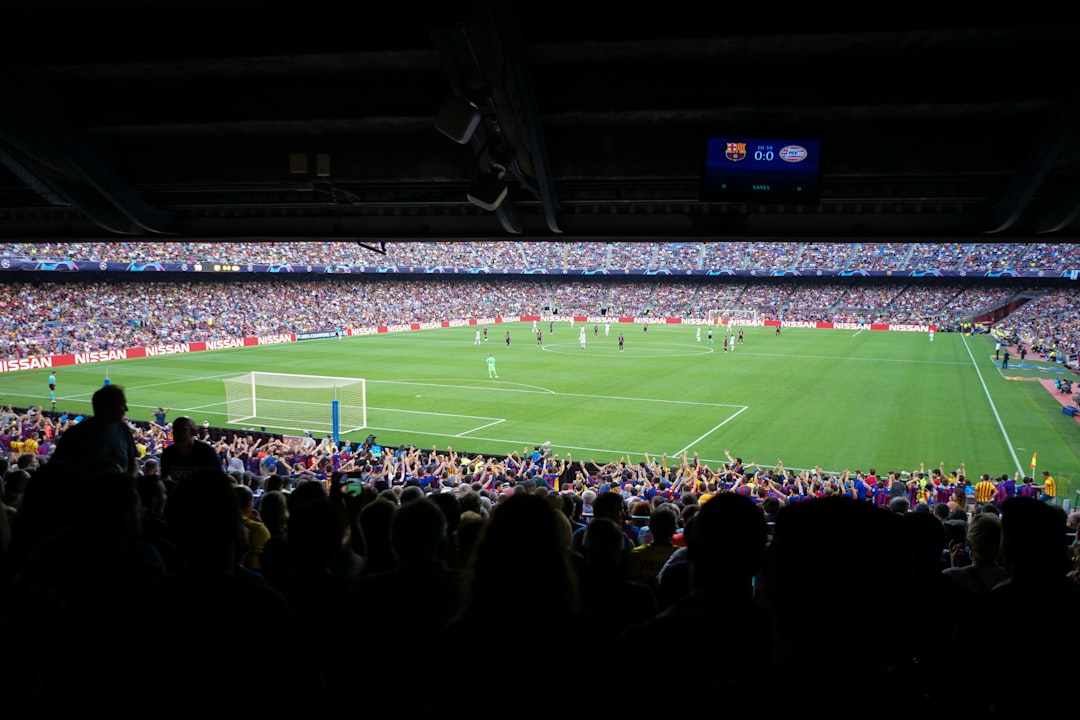
The early 2010s were dominated by Barcelona's tiki-taka philosophy under Pep Guardiola – a possession-based approach characterized by short passing, movement, and maintaining ball control. This style reached its apotheosis with Spain's international dominance from 2008 to 2012, culminating in World Cup and double European Championship success.
However, as opponents adapted by deploying compact low blocks and rapid transitions, tiki-taka in its purest form began to show limitations. The evolution of this approach has been toward what coaches now term "positional play" (juego de posición), which retains possession principles but with greater vertical intent and positional rotations designed to disorganize defensive structures.
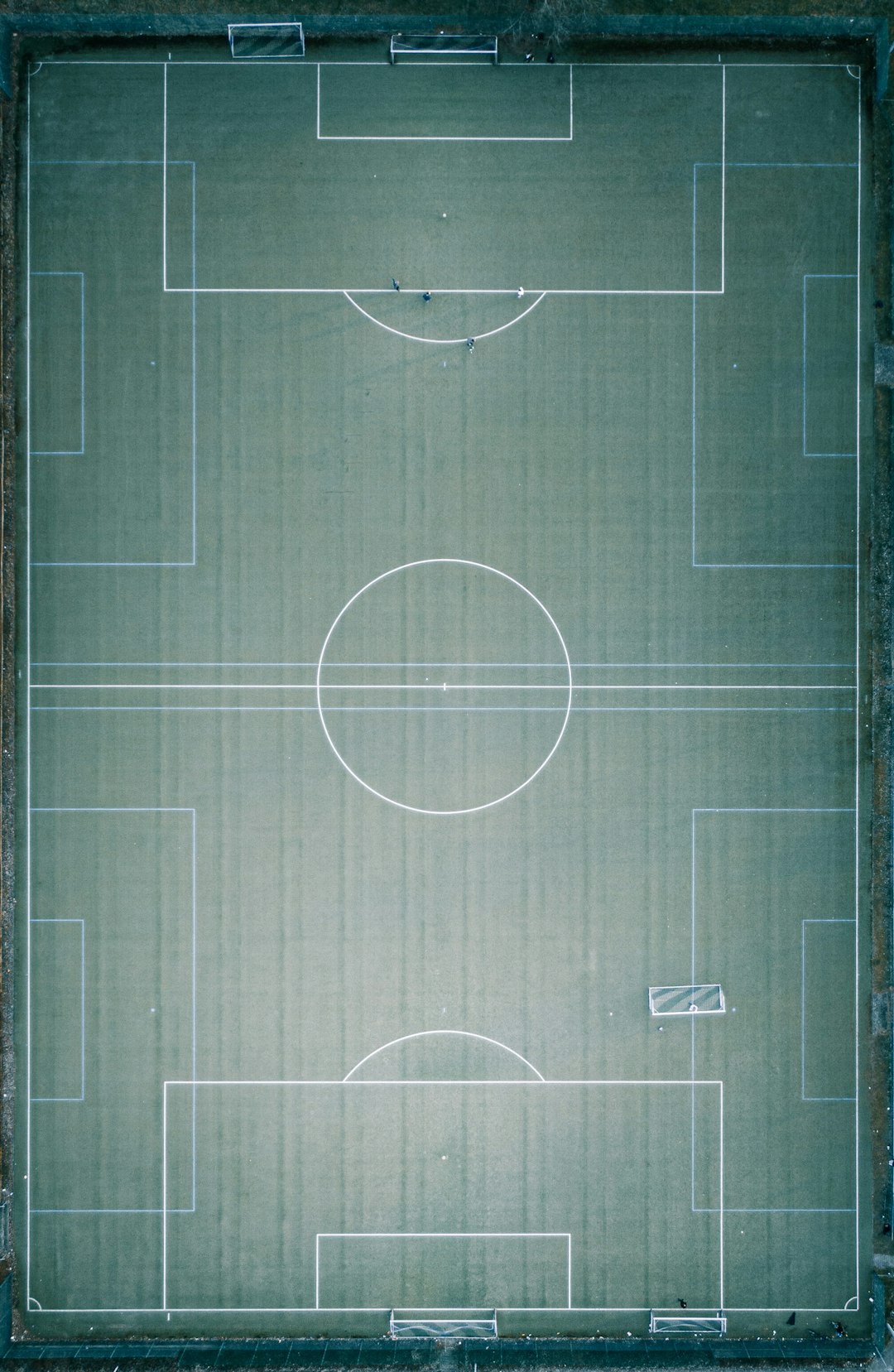
Modern positional play focuses on creating numerical superiorities in specific zones, with players constantly forming triangles and diamonds to provide passing options. What differentiates this from earlier iterations is the increased emphasis on finding progressive passes to break lines rather than mere possession for its own sake.
Modern positional play focuses on creating numerical advantages in specific zones
The Pressing Revolution
Perhaps the most significant tactical development of the past decade has been the widespread adoption of various pressing systems. While pressing itself isn't new – Dutch teams of the 1970s pioneered "total football" with its emphasis on winning the ball back quickly – the systematic, coordinated nature of modern pressing represents a quantum leap forward.
Jürgen Klopp popularized gegenpressing (counter-pressing) during his time at Borussia Dortmund and later at Liverpool, focusing on immediate ball recovery after possession loss. This approach views transitions as the most vulnerable moment for opponents, deploying coordinated triggers to hunt the ball within seconds of losing it.
Other coaches have developed alternative pressing frameworks. Mauricio Pochettino's teams became known for their high-intensity, man-oriented pressing systems, while Ralf Rangnick's Red Bull philosophy emphasized pressing traps – deliberately leaving specific passing options open before closing in on the receiver.
Today's elite teams are often distinguished by their pressing sophistication, which involves complex decision-making frameworks for when to press, when to contain, and how to coordinate these actions across the entire team. This requires immense physical preparation, positional intelligence, and constant training ground repetition.
The Evolution of Build-Up Play
Another significant change in modern football is the approach to building attacks from the defensive third. Gone are the days when goalkeepers would automatically launch the ball long to relieve pressure. Today, even teams with less technical ability are expected to construct attacks methodically from the back.
The goalkeeper's role has been revolutionized, with modern keepers functioning as deep-lying playmakers who participate fully in possession sequences. Outfield players now position themselves to create passing angles that allow progression through opposition pressing structures, with defenders often splitting wide and midfielders dropping deep to receive.
This shift has led to the development of various structural approaches to build-up play. Some teams adopt a "3-2" structure with three defenders and two midfielders creating a strong base, while others prefer asymmetrical formations that create overloads on one side before quickly switching to isolated players on the opposite flank.
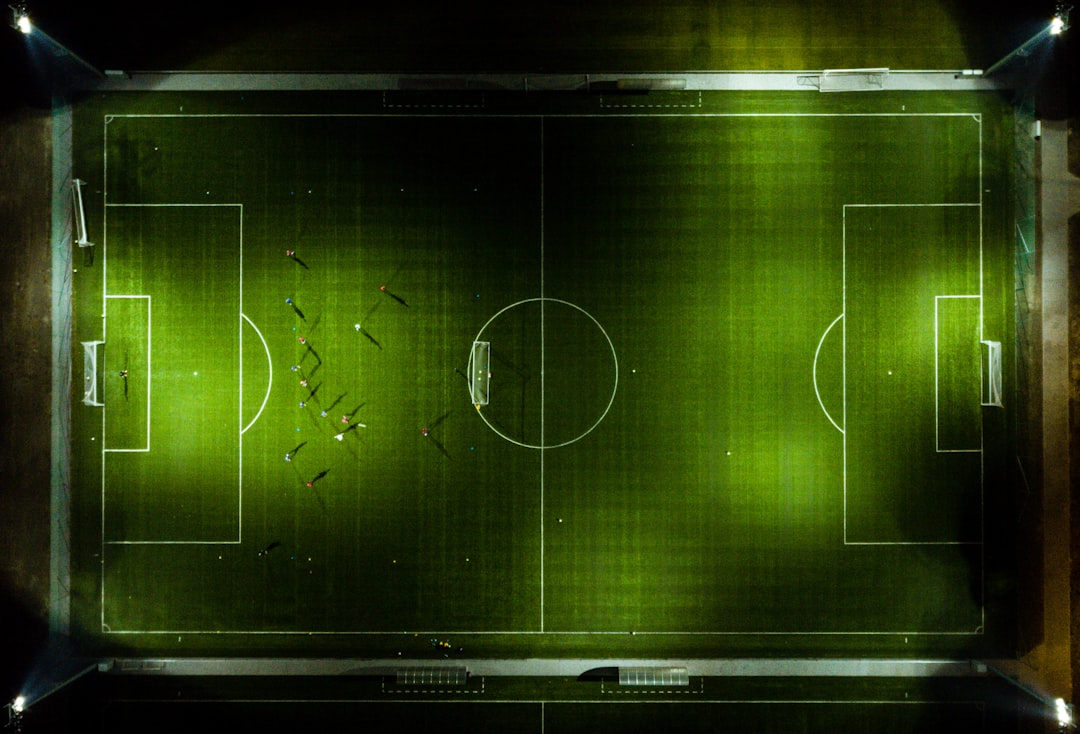
Modern goalkeepers function as additional outfield players in possession phases
Structural Flexibility and Hybrid Formations
Perhaps the most subtle yet profound change in modern football has been the move away from rigid formations toward fluid, phase-dependent structures. Elite teams now regularly morph between multiple formations within the same match depending on whether they're in possession, out of possession, or in transition.
For example, Manchester City under Guardiola might defend in a 4-3-3 but attack in what resembles a 3-2-5, with fullbacks inverting into midfield or pushing high alongside wingers. This structural flexibility allows teams to maintain optimal spacing for each game phase while creating confusion for opponents trying to prepare against them.
The concept of "positional rotations" has become central to modern attacking play, with players temporarily exchanging roles to create defensive uncertainty and open passing lanes. These movements are no longer improvised but carefully choreographed through training ground preparation, with clear decision-making frameworks for when players should hold position or rotate.
The traditional numbering of positions has become increasingly irrelevant as modern players are required to fulfill multiple roles during matches. The "false 9," once a tactical innovation, is now just one of many positional variations that coaches regularly employ to create advantages in specific game contexts.
The Data Revolution and Space Control
The integration of advanced analytics has fundamentally changed how coaches understand and approach tactical problems. Modern teams now have access to sophisticated data about space control, pass probability, expected threat, and countless other metrics that quantify previously intangible aspects of performance.
This data revolution has led to increased focus on controlling valuable spaces rather than simply maintaining possession. Teams now carefully consider the effective playing area (the space where the ball and players are concentrated) and how to manipulate it through positioning, passing patterns, and movement.
Concepts like "space occupation" have become central to attacking philosophies, with coaches designing systems that ensure optimal distribution of players across the field to maintain passing options while being positioned advantageously for defensive transitions.
Defensively, the focus has shifted from rigid marking systems to sophisticated zonal approaches that prioritize controlling dangerous spaces and forcing opponents into low-value areas. The best defensive teams now excel at compressing space centrally while maintaining access to wide areas, a balancing act that requires tremendous coordination and spatial awareness.

Data analytics has transformed how teams approach space control and tactical planning
The Rise of Set-Piece Specialization
One area where tactical evolution has been particularly pronounced is in set-piece design and execution. As margins between teams narrow, the ability to create high-quality chances from dead-ball situations has become increasingly valuable. Many clubs now employ specialist set-piece coaches focused exclusively on maximizing these opportunities.
Modern set-piece routines involve sophisticated blocking schemes, coordinated movements designed to exploit defensive weaknesses, and carefully planned second-phase actions. Teams analyze opposition tendencies in minute detail, often designing specific routines for specific opponents.
Defensively, the pendulum has swung between zonal and man-marking systems, with most elite teams now employing hybrid approaches that combine elements of both. The introduction of VAR has also influenced defensive set-piece tactics, with teams becoming more cautious about physical confrontations that might be penalized upon review.
Counter-Attacking in the Modern Game
While possession play dominates much of the tactical discourse, counter-attacking remains a vitally important approach for teams at all levels. The difference in modern counter-attacking is the level of preparation and structural sophistication involved.
Top teams now design specific counter-attacking patterns with predetermined movements and passing sequences. Players are trained to recognize transition triggers and make split-second decisions about whether to counter immediately or consolidate possession.
The concept of "rest defense" (how a team positions itself while in possession to prevent counter-attacks) has become increasingly important, with coaches carefully considering how to maintain defensive stability while committing numbers forward. Similarly, counter-pressing has emerged as a hybrid tactic that serves both defensive and offensive purposes by winning the ball in advantageous areas.
Tactical Periodization and Game Models
Beyond specific tactical approaches, perhaps the most significant evolution has been in how coaches implement their ideas. The concept of tactical periodization – integrating physical, technical, and tactical training within a coherent framework – has transformed how teams prepare.
Modern coaches develop comprehensive "game models" that outline principles of play for each game phase and sub-phase. These models provide players with decision-making frameworks rather than rigid instructions, allowing for adaptability while maintaining tactical coherence.
Training methodologies have evolved to prioritize position-specific work within game-realistic contexts. Rather than separating physical, technical, and tactical components, elite coaches now design integrated sessions that develop all elements simultaneously through carefully designed exercises that replicate match situations.
Modern training integrates physical, technical, and tactical elements within game-realistic contexts
The Future of Tactical Evolution
As we look to the future, several emerging trends suggest where tactical evolution might lead next. The increasing physical demands of the game are pushing teams toward more sophisticated rotation systems and squad utilization strategies. The traditional concept of a "first XI" is giving way to more context-dependent selection based on specific match requirements.
Technology continues to transform tactical preparation, with virtual reality training environments allowing players to experience tactical scenarios without physical exertion. Wearable technology providing real-time performance data allows for more nuanced in-game adjustments based on physical metrics.
The globalization of coaching knowledge has accelerated tactical development, with influences from different football cultures creating hybrid approaches that combine previously distinct philosophies. The once clear distinctions between "possession football," "counter-attacking," and "direct play" are blurring as coaches adopt more flexible, context-dependent approaches.
Conclusion
The tactical evolution of modern football reflects broader trends in society – increased specialization, data-driven decision making, and the integration of technology into traditional practices. The game today bears little resemblance to how it was played even a decade ago, with increased tactical sophistication at every level.
What remains constant amid this evolution is the importance of basic principles – creating space in attack, denying it in defense, and making optimal decisions in each game situation. The best coaches have always understood that tactical systems exist to maximize players' abilities rather than constrain them.
As football continues to evolve, the most successful approaches will likely be those that balance tactical structure with individual expression, providing frameworks that enhance players' natural abilities while maintaining the collective organization necessary for success at the highest levels. The beautiful game remains in a constant state of reinvention, with each tactical innovation eventually spawning counters that drive the next wave of evolution.